5 Things Everyone Should Know About Developmental Disabilities Awareness Month
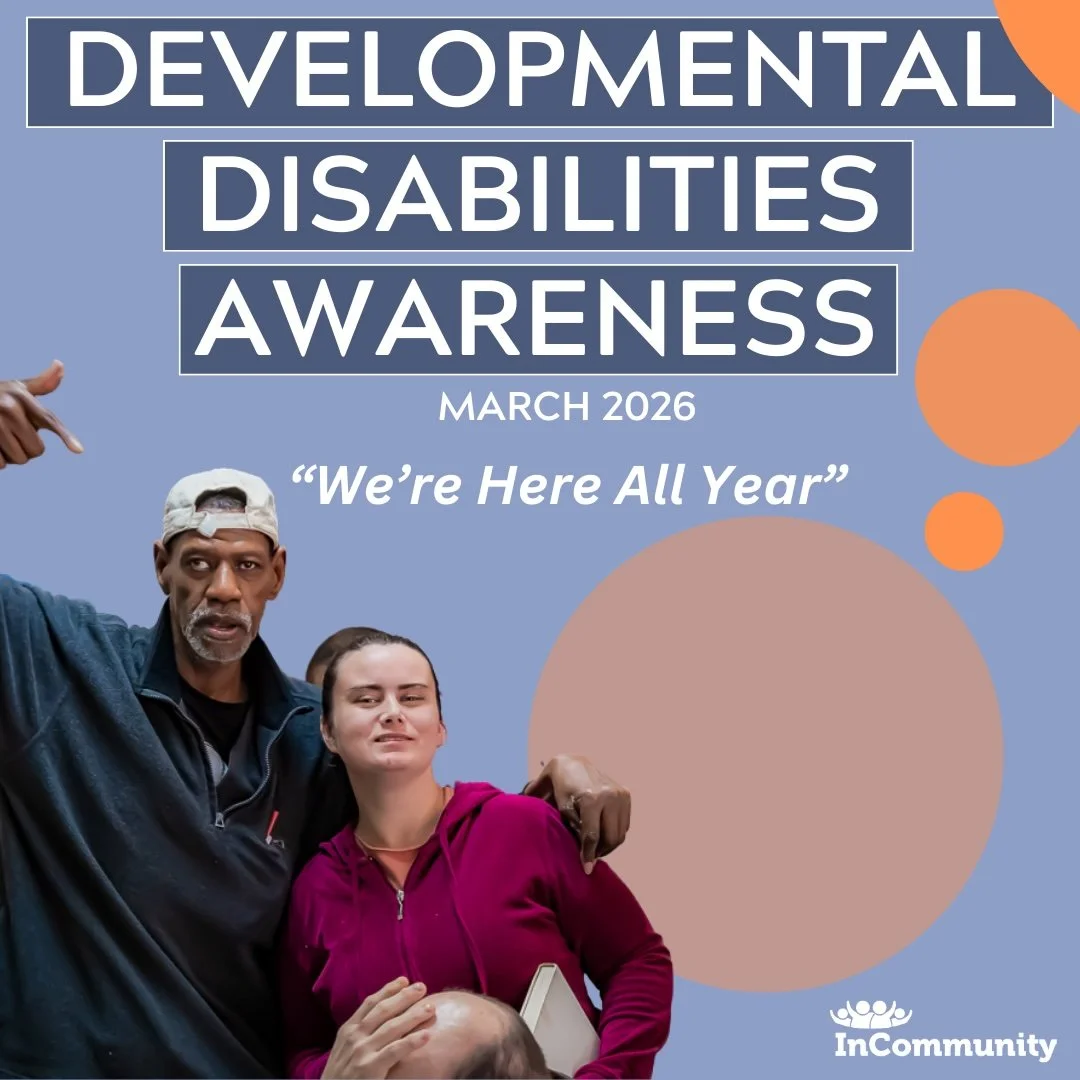
Every March, communities across the country recognize Developmental Disabilities Awareness Month. Established in 1987 through a presidential proclamation by President Ronald Reagan, the observance encourages Americans to increase their understanding of developmental disabilities and to promote opportunities for people with disabilities to live full, independent lives.
People with developmental disabilities are students, neighbors, employees, friends, and family members. Awareness Month is not only about understanding disabilities. It is about recognizing the value people with disabilities bring to our communities and making sure everyone has the opportunity to participate fully.
Here are five important things everyone should know.
1. Developmental Disabilities Affect Millions of People
Developmental disabilities are a group of conditions that begin during childhood and may impact physical, learning, language, or behavioral development. These disabilities often last throughout a person’s lifetime and can affect daily functioning to varying degrees.
Common examples include autism spectrum disorder, cerebral palsy, Down syndrome, intellectual disabilities, and attention-deficit/hyperactivity disorder (ADHD).
According to the Centers for Disease Control and Prevention (CDC), about 1 in 6 children in the United States has a developmental disability, making awareness and support essential in every community.
Understanding these conditions helps communities better support individuals and families while reducing stigma and misconceptions.
2. Inclusion Matters More Than Awareness Alone
Awareness is only the first step. Inclusion is the real goal.
Inclusion means ensuring that people with developmental disabilities can fully participate in everyday life, including education, employment, housing, recreation, and community activities.
Accessible environments, supportive services, and inclusive policies help remove barriers that individuals may face. When communities prioritize accessibility and inclusion, they create opportunities for everyone to contribute and succeed.
Organizations, schools, employers, and community groups all play an important role in making inclusion possible.
3. People with Disabilities Want the Same Opportunities as Everyone Else
Like everyone else, people with developmental disabilities want to pursue education, build careers, develop friendships, and live as independently as possible.
Research consistently shows that when individuals with disabilities are given access to inclusive education, employment opportunities, and supportive services, they can achieve meaningful personal and professional goals.
Employment, in particular, can improve independence, self-confidence, and community engagement for individuals with developmental disabilities.
Supporting inclusive hiring and education programs benefits not only individuals but also workplaces and communities.
4. Language and Attitudes Matter
The language we use when discussing disability has a powerful impact on attitudes and perceptions.
Many advocacy organizations encourage person-first language, such as saying “a person with a disability,” which emphasizes the individual rather than the condition. However, some individuals and communities may prefer identity-first language, such as “autistic person.” Respecting how people choose to identify themselves is important.
Positive attitudes, respectful communication, and a willingness to learn can help create environments where people with developmental disabilities feel valued and respected.
5. Everyone Can Play a Role in Building Inclusive Communities
Creating inclusive communities is a shared responsibility. Small actions can make a meaningful difference.
Individuals can support inclusion by:
Learning more about developmental disabilities
Supporting disability advocacy and community organizations
Promoting accessible spaces and events
Encouraging inclusive hiring practices
Treating everyone with respect and dignity
When communities work together to remove barriers and expand opportunities, people with developmental disabilities are better able to live, work, and thrive.
Moving From Awareness to Action
Developmental Disabilities Awareness Month is a reminder that inclusion should extend far beyond one month of the year. By continuing to promote understanding, accessibility, and opportunity, communities can ensure that people with developmental disabilities are fully included in every aspect of society.
Creating inclusive communities strengthens schools, workplaces, and neighborhoods and helps ensure that everyone has the opportunity to succeed.
Sources
Centers for Disease Control and Prevention (CDC). (2023). Developmental Disabilities.
https://www.cdc.gov/ncbddd/developmentaldisabilities/index.html
Centers for Disease Control and Prevention (CDC). (2023). Data and Statistics on Developmental Disabilities.
https://www.cdc.gov/ncbddd/developmentaldisabilities/data.html
Administration for Community Living. (2024). Developmental Disabilities Awareness Month.
https://acl.gov/DDAM
The Arc. (2023). Developmental Disabilities Awareness Month.
https://thearc.org
National Association of Councils on Developmental Disabilities (NACDD). (2024). Developmental Disabilities Awareness Month Campaign.
https://www.nacdd.org/ddam